Introduction
In an era of rapidly advancing technology, the wireless webcam stands out as a game-changer in both personal and professional domains. From enhancing video conferencing experiences to providing sophisticated surveillance solutions, wireless webcams have become indispensable tools. This article delves into wireless webcams’ features, benefits, applications, and prospects.
| Feature | Description |
|---|---|
| Connectivity | HD 1080p video resolution joint Can support 4K or higher for premium models. |
| Video Quality | Standalone webcam with built-in lens and sensor Can be integrated into devices like laptops, monitors, or security cameras |
| Camera Type | Standalone webcam with built-in lens and sensor Can be integrated into devices like laptops, monitors, or security cameras. |
| Power Source | A standalone webcam with built-in lenses and sensors can be integrated into devices like laptops, monitors, or security cameras. |
| Mounting | Encrypted wireless connection to protect privacy, Supports two-factor authentication in some models. |
| Data Security | Encrypted wireless connection to protect privacy, Supports two-factor authentication in some models |
| Use Cases | Video conferencing and online meetings, Live streaming and content creation, Home security and monitoring |
| Additional Features | Pan, tilt, and zoom controls, Motion detection and activity alerts, Night vision or low-light capabilities |
Features of Wireless Webcams
Connectivity
Wireless webcams eliminate the need for cumbersome cables, offering seamless connectivity through Wi-Fi or Bluetooth. This feature enhances mobility, allowing users to position the camera anywhere within the network’s range.
High-Definition Video
Modern wireless webcams boast high-definition (HD) or 4K video quality. This ensures crystal-clear images and videos, making them ideal for professional video calls, streaming, and security monitoring.
Built-in Microphones and Speakers
Many wireless webcams come with integrated microphones and speakers, providing a complete audio-visual solution. This feature is handy for video conferencing and online classes, ensuring clear communication without additional peripherals.
Pan, Tilt, and Zoom (PTZ) Capabilities
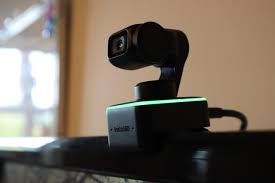
Advanced models offer PTZ capabilities, allowing users to control the camera’s orientation and zoom level remotely. This is especially beneficial for surveillance purposes, enabling comprehensive monitoring of a wider area.
Motion Detection and Night Vision
Wireless webcams often include motion detection and night vision features for security applications. These functionalities enhance security by alerting users to movement and providing clear footage even in low-light conditions.
Wireless Webcams that Stand Out
Wireless webcams have transformed how people communicate and monitor their environments by eliminating the need for cumbersome cables and enabling seamless connectivity through Wi-Fi or Bluetooth.
According to the TechRoLab overview, these webcams often come equipped with high-definition video quality, built-in microphones, and even pan-tilt-zoom (PTZ) controls, which allow users to adjust viewing angles remotely for more dynamic use.
They also frequently incorporate motion detection and night vision features, expanding their utility from basic video calls to security and surveillance applications. This flexibility makes wireless webcams suitable for a variety of scenarios — from home security and business monitoring to video conferencing and live streaming — while offering easy installation and scalable expansion as needs grow.
Benefits of Wireless Webcams
Flexibility and Convenience
The primary advantage of wireless webcams is their flexibility. Without the constraints of wired connections, users can quickly relocate cameras as needed, making them perfect for dynamic environments.
Easy Installation
Wireless webcams are typically straightforward to install. Most models offer plug-and-play functionality, which means they can be set up and operational within minutes without the need for professional installation.
Scalability
Scalability is crucial in both home and business environments. Wireless webcams can be easily added to an existing network, allowing users to expand their surveillance or video conferencing systems without significant infrastructure changes.
Remote Access
One of the most convenient features of wireless webcams is remote access. Users can view live feeds, control camera settings, and receive alerts from anywhere worldwide via dedicated apps or web interfaces.
Applications of Wireless Webcams
Home Security
Wireless webcams are widely used in home security systems. They provide real-time monitoring and alerts, helping homeowners keep an eye on their property and loved ones. Features like motion detection and night vision make them highly effective.
Business Surveillance
In the corporate world, wireless webcams are essential for security and surveillance. They help monitor office spaces, warehouses, and retail stores, deterring theft and ensuring the safety of employees and assets.
Video Conferencing
With the rise of remote work, wireless webcams have become vital tools for video conferencing. They offer high-quality video and audio, enhancing virtual meetings and ensuring effective communication among team members.
Live Streaming and Content Creation
Content creators, including YouTubers and Twitch streamers, rely on wireless webcams for high-quality live streams. These cameras allow them to shoot from various angles and locations, enhancing the viewer experience.
Education and Telemedicine
In the education sector, wireless webcams facilitate online classes and virtual learning environments. Similarly, telemedicine enables remote consultations, allowing healthcare providers to connect with patients regardless of geographical barriers.
the main benefits of using a wireless webcam
- Flexibility: Easy to place and relocate.
- Convenience: Simple installation without complex wiring.
- Remote Access: View and control the camera from anywhere.
- Scalability: Easy to expand systems by adding more cameras.
Common uses for wireless webcams
- Home security
- Business Surveillance
- Video conferencing
- Live streaming and content creation
- Online education and telemedicine
Future Prospects
The future of wireless webcams looks promising, with continuous advancements in technology. Here are some trends to watch:
Integration with AI
Artificial Intelligence (AI) is set to revolutionize wireless webcams. AI-powered features like facial recognition, behavioral analysis, and automated alerts will enhance security and user experience.
Enhanced Connectivity
With the advent of 5G technology, wireless webcams will benefit from faster and more reliable connections. This will lead to improved video quality and real-time responsiveness, even in high-demand environments.
Smart Home Integration
Wireless webcams will increasingly integrate with smart home ecosystems. This will allow users to control and monitor their cameras through smart home hubs and voice assistants, creating a more connected and convenient living environment.
Environmental Sustainability
Future wireless webcams are likely to incorporate eco-friendly designs and energy-efficient technologies. Solar-powered models and those with longer battery life will reduce their environmental impact and offer more sustainable solutions.
Conclusion
Wireless webcams have transformed how we connect, communicate, and secure our surroundings. Their versatility, ease of use, and advanced features make them indispensable in various fields. As technology evolves, wireless webcams will undoubtedly become even more integral to our daily lives, offering enhanced security, connectivity, and convenience. Whether for home, business, or personal use, investing in a wireless webcam is a step towards embracing the future of digital interaction and surveillance.
Apart from this, if you are interested to know about Top Digital Marketing Then visit our Technology category.
FAQs
The range depends on the camera and network capabilities, typically between 100-300 feet indoors. Obstacles like walls and interference from other devices can affect the range.
While an internet connection is necessary for remote access and cloud storage, some wireless webcams can operate on a local network without internet access.
Yes, many wireless webcams can record video either locally on a memory card or remotely on cloud storage services.
Video quality varies by model, ranging from standard definition (SD) to high definition (HD) and 4K resolution. Ensure the camera meets your quality requirements.
PTZ stands for Pan, Tilt, and Zoom. PTZ cameras allow users to remotely control the camera’s direction and zoom level for better coverage.