The world of gaming is no stranger to evolution. From the pixelated screens of early arcade games to the immersive virtual realities of today, technology has continually reshaped how we play. Now, we stand on the brink of another transformation: the integration of Web3 technologies into gaming. This paradigm shift, characterized by blockchain, NFTs, and decentralized systems, has been heralded as the future of gaming. However, as with any new frontier, it comes with its own set of challenges and controversies.
Understanding Web3 in Games
Web3 refers to the next generation of the internet, emphasizing decentralization, user ownership, and blockchain technology. In the context of gaming, Web3 promises to revolutionize how players interact with digital environments, by offering true ownership of in-game assets, interoperability across platforms, and new economic models.
From Centralized to Decentralized Gaming
The traditional gaming model has been largely centralized, with game developers and publishers maintaining control over game environments and assets. This centralization limits players’ rights, often locking assets within a single game environment. Web3 aims to decentralize this control, giving players more autonomy and ownership. By leveraging blockchain, the Web3 model ensures that in-game assets are truly owned by players, allowing them to trade or utilize assets across multiple games and platforms.
Interoperability Across Platforms
Interoperability is one of the key promises of Web3 gaming. In a Web3 environment, players can use their assets across different games, creating a seamless gaming experience. This cross-platform functionality is facilitated by blockchain technology, which provides a common infrastructure for asset management. As a result, players can enjoy a more connected gaming ecosystem, where their achievements and assets are not confined to a single game but are part of a broader digital identity.
New Economic Models in Gaming
Web3 introduces innovative economic models that reshape the relationship between players and game developers. Traditional games often monetize through in-game purchases and subscriptions. In contrast, Web3 games can implement models like play-to-earn and play-and-own, where players earn rewards or assets that have real-world value. This not only incentivizes gameplay but also democratizes the economic benefits of gaming, allowing players to participate more actively in the gaming economy.
From Play-to-Earn to Play-and-Own
The initial wave of blockchain games was dominated by the “play-to-earn” model. Games like Axie Infinity allowed players to earn cryptocurrency by playing, offering a novel way to monetize gaming. However, this model has faced criticism for its sustainability and the potential to prioritize financial gain over gameplay enjoyment.
The Rise and Fall of Play-to-Earn
Play-to-earn games initially captured the imagination of gamers worldwide by offering a new way to monetize time spent in virtual worlds. This model allowed players to earn cryptocurrency and real-world money through gameplay. However, the sustainability of this model has been questioned. Critics argue that focusing too much on earning rather than playing can detract from the enjoyment of gaming, turning it into a repetitive grind rather than a fun activity.
Transitioning to Play-and-Own
Transitioning to “play-and-own” represents a more balanced approach, where players not only earn but also truly own their digital assets. This model is gaining traction as it focuses on player enjoyment and asset ownership. Digital assets, often represented as NFTs, are not just rewards but valuable items that players can use, trade, or sell. The play-and-own model enhances player engagement by allowing them to build a digital portfolio of assets that have value both within and outside the game.
Balancing Entertainment and Economics
For Web3 gaming to succeed, a balance must be struck between entertainment and economic incentives. The play-and-own model seeks to achieve this balance by ensuring that gameplay remains central to the experience. Games need to be engaging and enjoyable, with economic incentives enhancing rather than overshadowing the core gaming experience. Developers are tasked with creating game mechanics that integrate asset ownership naturally, providing players with meaningful ways to engage with both the game and its economy.
What Has Failed?
While the potential of Web3 in gaming is immense, not all implementations have been successful. Several projects have faced backlash due to their focus on monetization over gameplay. The speculative nature of NFTs and cryptocurrency can overshadow the core gaming experience, leading to disillusionment among players.
Overemphasis on Speculation
One of the significant pitfalls in the early days of Web3 gaming was the overemphasis on speculation. Many projects focused heavily on the financial aspects of NFTs and cryptocurrencies, drawing in speculators rather than genuine gamers. This focus on speculative gains often led to a disconnect between the game and its community, with players feeling more like investors than participants. Such an approach alienates traditional gamers who value gameplay and narrative over financial incentives.
Environmental Concerns of Blockchain
Moreover, the environmental impact of blockchain technologies, particularly proof-of-work systems, has raised concerns. Many gamers and developers are wary of the carbon footprint associated with these technologies, pushing for more sustainable solutions. This environmental concern has led to backlash against blockchain gaming, with some players and developers hesitant to embrace a technology that contributes to environmental degradation. The industry must address these issues by adopting more eco-friendly blockchain solutions.
Misalignment with Player Expectations
Another area where Web3 gaming has faltered is in aligning with player expectations. Traditional gamers expect immersive worlds and engaging narratives, elements that are sometimes sidelined in favor of monetization strategies. When games fail to deliver on these expectations, they risk losing their player base. Successful Web3 games must prioritize the gaming experience, ensuring that blockchain elements enhance rather than detract from the immersive worlds players love.
What Is Working?
Despite these challenges, there are successful use cases of Web3 in gaming. The key lies in integrating blockchain technology in a way that enhances, rather than detracts from, the gaming experience.
Seamless Integration of Blockchain
Successful Web3 games have managed to integrate blockchain technology seamlessly into their ecosystems. By doing so, they enhance gameplay rather than overshadow it. These games use blockchain to offer unique features, such as player-owned economies and cross-platform interoperability, without compromising on the core gaming experience. This seamless integration ensures that players can enjoy the benefits of blockchain without feeling overwhelmed or alienated by its presence.
Engaging Community-Driven Models
Community-driven models have proven effective in Web3 gaming. By involving players in decision-making processes, games create a sense of ownership and community among their player base. Decentralized autonomous organizations (DAOs) allow players to vote on game updates and governance, fostering collaboration between developers and players. This model not only empowers players but also ensures that games evolve in ways that align with community interests and preferences.
Focus on Sustainability and Innovation
Web3 games that prioritize sustainability and innovation are finding success. By adopting eco-friendly blockchain solutions like proof-of-stake, these games address environmental concerns, making them more appealing to a broader audience. Additionally, innovative gameplay mechanics that leverage blockchain technology are attracting players who seek new and exciting experiences. These games demonstrate that it is possible to be both environmentally responsible and innovative, paving the way for a sustainable future in gaming.
Digital Identity and Interoperability
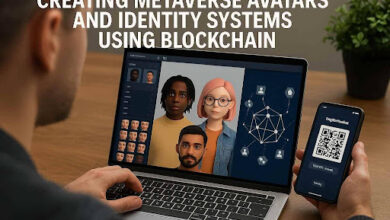
One promising aspect is the creation of digital identities that persist across multiple platforms. Blockchain can enable players to have a single identity that carries their achievements, assets, and reputation across different games. This interoperability fosters a sense of continuity and community, enriching the overall gaming experience.
Unified Player Identity
Web3 technologies enable the creation of a unified player identity that transcends individual games. By linking a player’s achievements, assets, and reputation to a single blockchain-based identity, players can maintain their digital persona across various gaming worlds. This continuity allows players to build a cohesive gaming legacy, enhancing their sense of identity and belonging within the gaming community.
Cross-Platform Asset Management
Interoperability extends beyond player identity to encompass asset management. Players can use their digital assets across multiple games, breaking down the silos that traditionally confine assets to a single game. This cross-platform functionality is made possible by blockchain’s ability to provide a common infrastructure for asset ownership and management. As a result, players can leverage their assets in diverse ways, increasing the utility and value of their digital collections.
Building Community and Collaboration
Interoperability fosters community and collaboration among players and developers. By creating a shared gaming ecosystem, players can interact with others across different games, forming connections and alliances. This interconnectedness encourages collaboration on a broader scale, allowing players to participate in cross-game events, tournaments, and challenges. The result is a vibrant and dynamic gaming community that transcends individual game boundaries.
Enhanced Player Ownership
Web3 allows for true player ownership of digital assets. Unlike traditional games where items and currency are confined to a single game, blockchain enables players to own their assets outright. This ownership extends beyond the confines of one game, allowing players to trade or sell their assets in decentralized marketplaces.
True Ownership in a Digital World
In traditional gaming, players may spend hours acquiring in-game items, only to have them locked within a single game environment. Web3 changes this by granting players true ownership of their digital assets. Blockchain ensures that these assets are not merely entries in a database controlled by game developers but are owned by players themselves. This ownership model empowers players, giving them control over how they use and manage their digital possessions.
Trading and Selling in Decentralized Marketplaces
The ability to trade and sell digital assets in decentralized marketplaces is a key feature of Web3 gaming. Players can buy, sell, or trade their assets with others, creating a dynamic and player-driven economy. These decentralized marketplaces operate independently of traditional game publishers, allowing players to set their own prices and terms. This freedom fosters a sense of entrepreneurship among players, who can capitalize on their gaming skills and asset collections. More from us: Hold Person 5e.
Expanding the Value of In-Game Assets
By enabling true ownership and marketplace trading, Web3 expands the value of in-game assets beyond their traditional confines. Players can leverage their assets for financial gain, use them to enhance their gaming experiences, or showcase them as part of their digital identity. This expanded value proposition attracts players who see gaming not just as entertainment but as an opportunity to build and manage a valuable digital portfolio.
The Role of NFT Game Services
NFT development services play a crucial role in this ecosystem. These services provide the technical expertise needed to integrate NFTs and blockchain into games seamlessly. By focusing on creating compelling gameplay experiences that leverage blockchain technology, these services can help bridge the gap between traditional gaming and the new Web3 paradigm.
Bridging Traditional and Web3 Gaming
NFT game development services act as a bridge between traditional gaming and the emerging Web3 paradigm. These services specialize in integrating blockchain technology into existing game frameworks, ensuring a smooth transition for developers and players. By combining the best elements of traditional gaming with the benefits of blockchain, these services help create innovative and engaging experiences that appeal to a wide audience.
Enhancing Game Design with Blockchain
These development services enhance game design by leveraging the unique capabilities of blockchain technology. Smart contracts, NFTs, and decentralized systems enable new gameplay mechanics and economic models that were not possible before. By incorporating these elements, developers can create games that offer unique features, such as player-owned economies, cross-platform asset interoperability, and dynamic game worlds that respond to player actions.
Supporting the Growth of the Web3 Ecosystem
NFT game development play a pivotal role in supporting the growth of the Web3 gaming ecosystem. By providing the technical expertise and tools needed to develop blockchain-integrated games, these services empower developers to explore new possibilities. Their efforts contribute to the expansion of the Web3 gaming landscape, fostering innovation and encouraging the adoption of blockchain technology across the industry.
The Future of Blockchain Game Development Services
As we look to the future, several trends and innovations will shape the integration of Web3 in gaming.
Sustainable Blockchain Solutions
To address environmental concerns, many developers are exploring sustainable blockchain solutions. Proof-of-stake and other eco-friendly consensus mechanisms are gaining traction as viable alternatives to traditional proof-of-work systems. These solutions promise to reduce the carbon footprint of blockchain technologies, making them more palatable to eco-conscious gamers and developers.
The Promise of Eco-Friendly Technologies
Eco-friendly blockchain technologies are gaining attention as developers seek to mitigate the environmental impact of gaming. Proof-of-stake, for instance, offers a more energy-efficient alternative to proof-of-work, significantly reducing the carbon footprint of blockchain operations. By adopting these eco-friendly technologies, the gaming industry can address one of the major criticisms of blockchain, aligning itself with the growing demand for sustainability.
Innovations in Consensus Mechanisms
Beyond proof-of-stake, developers are exploring a range of new consensus mechanisms designed to enhance sustainability and efficiency. These innovations include delegated proof-of-stake, sharding, and layer-2 solutions, each offering unique benefits. By diversifying the approaches to blockchain consensus, the industry can find solutions that best fit the needs of gaming, balancing performance with environmental considerations.
Aligning with Global Sustainability Goals
The push for sustainable blockchain solutions aligns with global sustainability goals, such as reducing carbon emissions and promoting responsible resource use. By prioritizing environmental responsibility, the gaming industry can contribute to broader efforts to combat climate change. This alignment not only enhances the industry’s reputation but also attracts eco-conscious consumers who prioritize sustainability in their gaming choices.
Enhanced Interactivity and Immersion
Web3 technologies have the potential to create more interactive and immersive gaming experiences. By leveraging smart contracts and decentralized systems, developers can craft dynamic game worlds that respond to player actions in real-time. This heightened interactivity can lead to more engaging and personalized gaming experiences.
Dynamic Game Worlds
Web3 technologies enable the creation of dynamic game worlds that evolve based on player actions. Smart contracts facilitate real-time interactions, allowing developers to design environments that respond to player decisions and events. This dynamism enhances immersion, as players feel their actions have a tangible impact on the game world, creating a more personalized and engaging experience.
Personalized Gaming Experiences
By leveraging decentralized systems, developers can create personalized gaming experiences tailored to individual player preferences. Blockchain technology allows for the customization of game elements, from character attributes to in-game environments. This personalization fosters a deeper connection between players and their avatars, enhancing emotional engagement and player satisfaction.
Innovations in Game Narrative
The interactive capabilities of Web3 technologies open up new possibilities for game narrative and storytelling. Developers can craft branching storylines that adapt to player choices, creating unique narratives for each player. This innovation in storytelling encourages replayability and exploration, as players navigate the diverse narrative paths available to them.
Community-Driven Development
Decentralization empowers players to have a say in game development. Through decentralized autonomous organizations (DAOs), players can participate in decision-making processes, influencing game updates, features, and governance. This community-driven approach fosters a sense of ownership and collaboration, aligning the interests of developers and players.
Empowering Players Through DAOs
Decentralized autonomous organizations (DAOs) empower players by giving them a direct voice in game development. Players can participate in governance, voting on updates, features, and policies that shape the game’s future. This empowerment fosters a sense of ownership and investment in the game, creating a collaborative relationship between developers and their player communities.
Aligning Interests of Developers and Players
Community-driven development aligns the interests of developers and players, ensuring that games evolve in ways that resonate with their audiences. By involving players in decision-making, developers gain valuable insights into player preferences and priorities. This alignment enhances player satisfaction and engagement, as games reflect the collective vision of their communities.
Building a Collaborative Gaming Ecosystem
The collaborative nature of community-driven development extends beyond individual games to create a broader gaming ecosystem. Players and developers work together to shape the direction of gaming, fostering innovation and creativity. This collaborative spirit encourages the sharing of ideas and resources, driving the industry forward and creating a vibrant and dynamic gaming landscape.
Conclusion: Navigating the Web3 Gaming Landscape
The integration of Web3 technologies into gaming is a complex and evolving process. While there are challenges and failures, the potential rewards are significant. By focusing on enhancing gameplay, fostering community, and addressing environmental concerns, developers can unlock new possibilities for player engagement and innovation.
As the gaming industry continues to explore the potential of Web3, it’s crucial to strike a balance between technological innovation and the core elements that make gaming enjoyable. By doing so, we can ensure that Web3 in gaming is not just a passing trend, but a transformative force that enriches the gaming experience for players worldwide.
Apart from that, if you are interested to know about Incredible Top Gadgets for Gaming then visit our Gaming category.