Apple Watch vs. Samsung Watch: A Comprehensive Comparison of Features, Performance, and Value for Tech Enthusiasts


Introduction
In the rapidly evolving world of wearable technology, smartwatches have become essential accessories for tech enthusiasts and casual users alike. Among the top contenders in this space are the Apple Watch and Samsung Galaxy Watch series.
Both brands offer a range of features, performance capabilities, and aesthetic styles that cater to different user preferences. This article provides a comprehensive comparison of these two smartwatch giants, focusing on their features, performance, and overall value.
| Feature | Apple Watch | Samsung Watch |
| Design | Square face with rounded corners | Traditional round face |
| Health Tracking | ECG, blood oxygen monitoring | Body composition analysis, sleep tracking |
| Operating System | watchOS | Wear OS |
| Battery Life | Approximately 18 hours | Up to 80 hours |
| Compatibility | Best with iPhones | Best with Android devices |
| Price Range | $249 (SE) to $800 (Ultra) | $279 (Watch 5) to $449 (Watch 5 Pro) |
| App Ecosystem | Extensive via App Store | Growing library via Google Play |
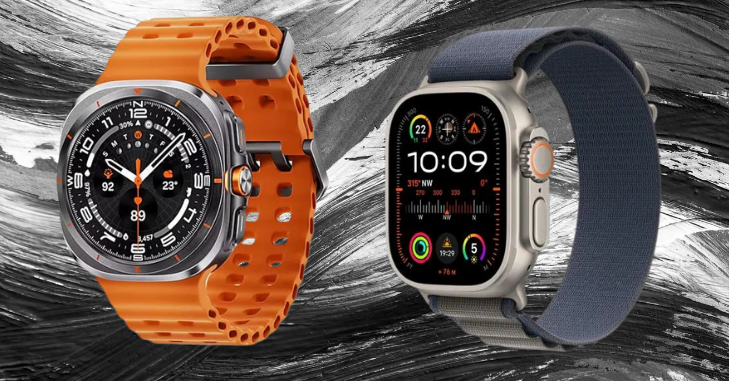
| Outdoor Features | Apple Watch Ultra for rugged use | Galaxy Watch 5 Pro with durable design |
| Customization | Various bands and watch faces are available | Variety of watch faces and straps |
| User Experience | Intuitive for iPhone users | Familiar for Android users |
This table provides a quick overview of the differences and similarities between the Apple Watch and Samsung Watch, helping tech enthusiasts make informed decisions.
Smartwatches
Smartwatches have transformed how we interact with technology, offering functionalities that extend beyond traditional timekeeping. They serve as fitness trackers, communication devices, and even payment tools, all wrapped around our wrists.
As two of the leading manufacturers in this space, Apple and Samsung have set the standard for what a modern smartwatch should be, each with its unique strengths and weaknesses.
Apple Watch vs. Samsung Watch
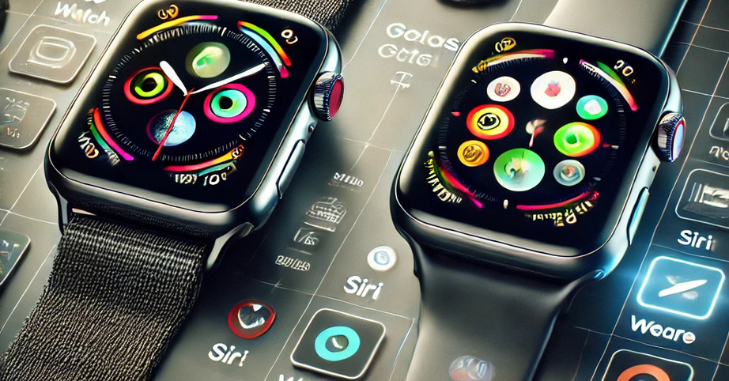
When comparing the Apple Watch and Samsung Watch, both stand out as leaders in the smartwatch market, offering unique features tailored to different ecosystems. The Apple Watch, seamlessly integrated with iOS devices, provides a sleek design, advanced health tracking, and an unmatched app ecosystem.
It’s ideal for iPhone users who want a smartwatch that works effortlessly with their devices. On the other hand, Samsung Watches, particularly the Galaxy Watch series, excel in versatility, offering compatibility with both Android and iOS (to a limited extent) and longer battery life.
With features like robust fitness tracking, customizable designs, and powerful hardware, Samsung Watches cater to a broader audience. The choice between the two often boils down to ecosystem preferences and specific feature priorities.
Overview of Apple Watch
History and Evolution
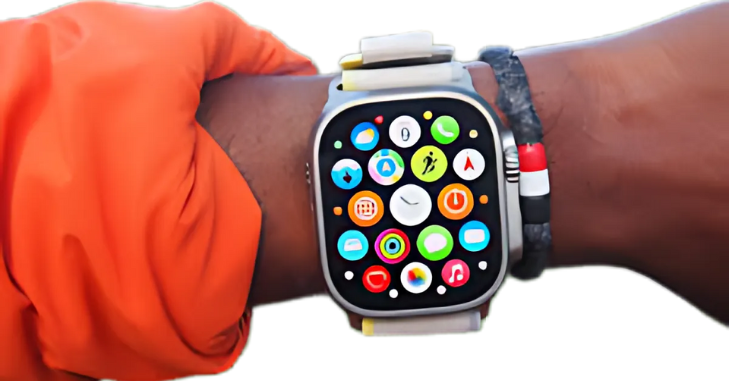
The Apple Watch was first launched in 2015, quickly establishing itself as a leader in the smartwatch market. Over the years, Apple has released multiple iterations, each introducing new features and improvements. The latest models, such as the Apple Watch Series 8 and the Apple Watch Ultra, showcase advancements in health tracking, connectivity, and user experience.
Key Models
- Apple Watch Series 8: Focused on health features and performance, offering advanced sensors for heart rate and blood oxygen monitoring.
- Apple Watch SE: A more affordable option that retains essential features while omitting some advanced functions.
- Apple Watch Ultra: Designed for extreme sports enthusiasts, featuring enhanced durability and specialized features for outdoor activities.
Overview of Samsung Watches
History and Evolution
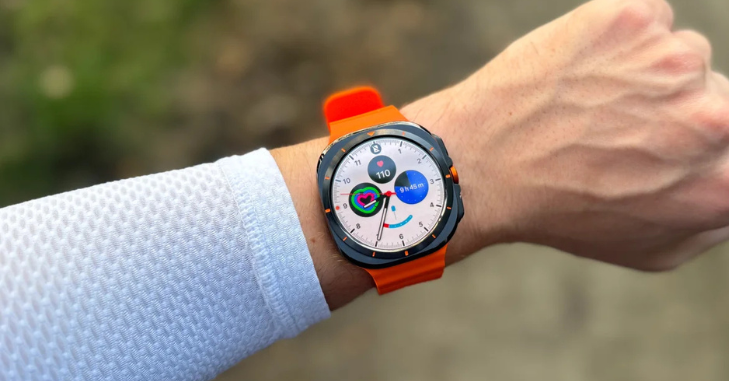
Samsung entered the smartwatch market with the Galaxy Gear in 2013 and has since refined its offerings. The Galaxy Watch series represents Samsung’s commitment to creating versatile and stylish smartwatches that integrate seamlessly with its ecosystem of devices. The Galaxy Watch 5 and Galaxy Watch 5 Pro are the latest models, incorporating advanced health and fitness tracking features.
Key Models
- Galaxy Watch 5: Offers a balanced combination of features, performance, and design, suitable for everyday use.
- Galaxy Watch 5 Pro: Aimed at outdoor enthusiasts, it boasts a rugged design and extensive tracking capabilities.
Feature Comparison
Health and Fitness Tracking
Apple Watch:
The Apple Watch excels in health and fitness tracking, offering features such as:
- Heart Rate Monitoring: Continuous heart rate monitoring with alerts for irregularities.
- ECG App: Allows users to take electrocardiograms directly from their wrist.
- Blood Oxygen Monitoring: Measures blood oxygen levels, providing insights into overall health.
- Activity Tracking: Tracks various workouts, including running, swimming, and cycling, and integrates with the Apple Fitness+ subscription service.
Samsung Watch:
Samsung’s Galaxy Watch series also provides robust health-tracking features:
- Heart Rate Monitoring: Similar to Apple, it offers continuous heart rate tracking.
- ECG Functionality: Available on recent models, enabling users to monitor their heart health.
- Body Composition Analysis: Unique to Samsung, this feature measures body fat percentage and muscle mass.
- Sleep Tracking: Comprehensive sleep tracking capabilities, including sleep stages and snoring detection.
Connectivity and Ecosystem
Apple Watch:
The Apple Watch is designed to work seamlessly within the Apple ecosystem:
- iPhone Integration: Offers notifications, calls, and messages directly from the iPhone.
- App Store: Access to a wide range of apps tailored for watchOS.
- Apple Pay: Enables contactless payments via the watch.
Samsung Watch:
Samsung watches are optimized for use with Android devices, particularly Samsung smartphones:
- Galaxy Ecosystem: Integrates well with Samsung devices, offering features like SmartThings compatibility.
- Wear OS: Recent models run on Wear OS, providing access to Google Assistant and a broader app selection.
- Samsung Pay: Similar to Apple Pay, allowing for secure transactions.
Design and Customization
Apple Watch:
- Design: The Apple Watch features a square face with rounded corners, available in various materials, including aluminum, stainless steel, and titanium.
- Customization: Users can choose from a variety of bands, watch faces, and colors to personalize their devices.
Samsung Watch:
- Design: Customers who like a classic watch design will find Samsung’s Galaxy Watch intriguing due to its more conventional circular face.
- Customization: Offers a range of watch faces and bands, with additional options for customizing the bezel on certain models.
Advanced Sensors and Emerging Features
Modern smartwatches, including both Apple and Samsung models, are increasingly incorporating advanced sensors that go beyond basic heart rate monitoring. Many devices now feature temperature tracking, blood pressure estimation, and even fall detection, providing users with more comprehensive health insights.
Additionally, both brands are exploring integration with artificial intelligence to offer predictive health notifications, such as irregular heart rhythms or stress alerts.
Performance
Battery Life
Apple Watch:
- Model-specific variations exist in the Apple Watch’s battery life, which typically lasts 18 hours between charges. The introduction of low-power modes helps extend usage, especially during workouts.
Samsung Watch:
- Samsung Galaxy Watches typically offer longer battery life, with the Galaxy Watch 5 Pro lasting up to 80 hours under normal usage. This makes it more suitable for extended outdoor activities without frequent recharging.
Performance and Speed
Both Apple and Samsung watches utilize powerful processors:
- Apple Watch: The S8 chip powers the Apple Watch, guaranteeing lag-free operation and speedy app launches.
- Samsung Watch: The Galaxy Watch 5 is powered by the Exynos W920 chip, providing efficient multitasking capabilities.
Software and User Experience
Operating System
Apple Watch:
- Runs on watchOS, offering a user-friendly interface with seamless integration with iOS. Regular updates add new features and enhance security.
Samsung Watch:
- Operates on Wear OS, which allows for a more Android-like experience, including access to Google services. The One UI Watch interface provides customization options and an intuitive user experience.
App Ecosystem
Apple Watch:
- The App Store for watchOS hosts a vast selection of apps, including fitness, productivity, and entertainment options.
Samsung Watch:
- The Google Play Store is available for Galaxy Watch users, offering a growing library of compatible apps tailored for wearables.
Value for Money
Apple Watch:
The cost of Apple Watch models differs depending on the version:
- Apple Watch Series 8: Typically starts at around $399.
- Apple Watch SE: A more affordable choice, with a starting price of $249.
- Apple Watch Ultra: Designed for outdoor enthusiasts, priced at approximately $799.
Samsung Watch:
- Samsung Galaxy Watches also offer a range of prices:
- Galaxy Watch 5: Starting around $279.
- Galaxy Watch 5 Pro: Priced at about $449, reflecting its premium features and rugged design.
Cost vs. Features
When assessing value, consider the features offered at each price point. Apple’s watches are often seen as premium products with extensive health tracking capabilities, while Samsung provides competitive features at a lower starting price, especially with the Galaxy Watch 5.
Pros and Cons
Apple Watch Pros and Cons
Pros:
- Seamless integration with the Apple ecosystem.
- Extensive health and fitness tracking features.
- High-quality build and design options.
- Regular software updates and support.
Cons:
- Higher price point compared to some competitors.
- Battery life may be shorter than rival models.
- Limited compatibility with non-Apple devices.
Samsung Watch Pros and Cons
Pros:
- Competitive pricing with strong feature sets.
- Longer battery life on most models.
- Compatibility with a wider range of Android devices.
- Unique body composition analysis feature.
Cons:
- It may not integrate as seamlessly with iOS devices.
- App availability may be less extensive than for the Apple Watch.
- Some features may be limited to Samsung devices.
Conclusion
The choice between the Apple Watch and Samsung Galaxy Watch ultimately depends on individual preferences and needs. The Apple Watch is ideal for users deeply embedded in the Apple ecosystem, seeking advanced health-tracking features and a premium experience.
Both smartwatches have their strengths and weaknesses, making it crucial for potential buyers to assess their priorities—whether that be health tracking, design, battery life, or price. By understanding the differences and similarities between these two leading smartwatches, tech enthusiasts can make an informed decision and choose the device that best fits their lifestyle. Elsewhere on the site: How Tech Teams Can Build a Stronger Backlink Profile.
Regardless of the choice, both the Apple Watch and Samsung Galaxy Watch represent significant advancements in wearable technology, each contributing to the ongoing evolution of how we interact with our devices.
Apart from that if you want to know about “Apple Watch Ultra: Redefining Smartwatch Excellence” then please visit our “Technology” Category.
FAQs
The Apple Watch features a square face with rounded corners, while Samsung Watches have a traditional round design, appealing to different aesthetic preferences.
Apple Watch runs on watchOS, which integrates seamlessly with iOS devices, while Samsung Watches operates on Wear OS, allowing for broader compatibility with Android devices.
Samsung Galaxy Watches typically have longer battery life, lasting up to 80 hours, whereas Apple Watches usually last around 18 hours on a single charge.