Introduction
Fuel injection cleaners are vital chemical additives formulated to maintain and enhance your vehicle’s fuel system performance. Added directly to your fuel tank, these products effectively dissolve carbon deposits, dirt, and other build-up within fuel injectors, intake valves, and combustion chambers.
By optimizing fuel flow and preventing clogged injectors, fuel injection cleaners help improve engine performance, increase fuel efficiency, reduce emissions, and extend your vehicle’s lifespan.
Regular application of these cleaners can help prevent costly repairs by avoiding damage caused by malfunctioning fuel injectors and supporting smooth engine operation.
| Category | Details |
| What Are Fuel Injection Cleaners? | Chemical additives designed to clean fuel injectors, intake valves, and combustion chambers. |
| Benefits | Improved fuel efficiency Enhanced engine performance Lower emissions Prevents engine knocking |
| Types | 1. Complete Cleaners: Clean the entire fuel system 2. Injector-Specific: Target injectors 3. Diesel: Formulated for diesel engines 4. High-Mileage: For older vehicles with stubborn deposits |
| Choosing the Right Cleaner | Consider fuel type, vehicle age, existing issues, and additives like polyether amine (PEA). |
| Signs You Need a Cleaner | Reduced fuel efficiency Rough idling Poor acceleration Engine misfires Increased emissions |
| Tips for Use | Follow instructions, add to a full tank, use regularly, and pair with quality fuel. |
| Myths | They damage engines (false) Not needed with premium fuel (false) They fix all engine issues (false) |
This summary table provides key insights into fuel injection cleaners for quick reference.
What Are Fuel Injection Cleaners?
Fuel injection cleaners are chemical additives developed to clean fuel injectors and other critical fuel system components such as intake valves and combustion chambers. Added directly to the fuel tank, they dissolve stubborn carbon deposits and accumulated residues, ensuring smooth fuel delivery to the engine.
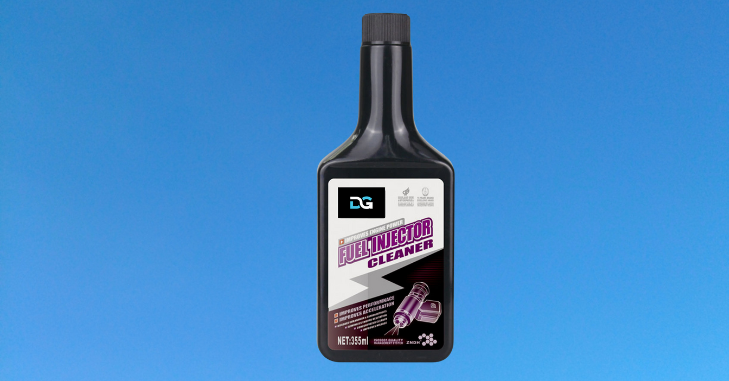
Fuel injection plays a crucial role in engine performance and longevity by preventing damage from clogged or malfunctioning injectors.
How Fuel Injection Systems Work
Understanding how fuel injection systems operate is key to appreciating the importance of using fuel injection cleaners.
A fuel injector sprays a fine mist of fuel into the combustion chamber at precise intervals to maintain the optimal air-to-fuel ratio required for efficient combustion. Over time, dirt, varnish, and carbon deposits accumulate on injectors, disrupting the spray pattern and decreasing efficiency. This leads to rough idling, poor acceleration, and reduced fuel economy.
Benefits of Using Fuel Injection Cleaners
Incorporating fuel injection cleaners into your car maintenance routine offers numerous benefits:
1. Improved Fuel Efficiency
Clogged fuel injectors cause incomplete combustion and waste fuel. Fuel injection cleaners clear deposits, ensuring optimal fuel atomization and better combustion, which saves fuel costs.

2. Enhanced Engine Performance
Clean fuel injectors deliver fuel evenly, enabling smoother engine operation, improved acceleration, reduced hesitation, and steady idling.
3. Lower Emissions
Carbon buildup increases harmful exhaust emissions. Cleaning injectors reduces pollutants, making your vehicle environmentally friendly.
4. Prevents Engine Knocking
Dirty injectors cause irregular fuel flow, leading to engine knocking or pinging. Fuel cleaners ensure a consistent flow to prevent this issue.
5. Prolonged Engine Life
Regular cleaning minimizes carbon buildup, reducing engine wear and preventing costly repairs, thus extending engine lifespan.
How Fuel Injection Cleaners Protect Your Engine Internally
Beyond improving fuel efficiency and engine performance, fuel injection cleaners play a critical role in protecting internal engine components. Carbon deposits and varnish buildup can cause uneven fuel distribution, leading to hot spots in the combustion chamber that may result in premature engine wear.
By dissolving these deposits, fuel injection cleaners help maintain proper compression, reduce friction, and prevent long-term damage to valves, pistons, and cylinder walls. This internal protection not only enhances engine longevity but also ensures that the vehicle continues to operate at peak performance, reducing the likelihood of costly repairs over time.
Types of Fuel Injection Cleaners
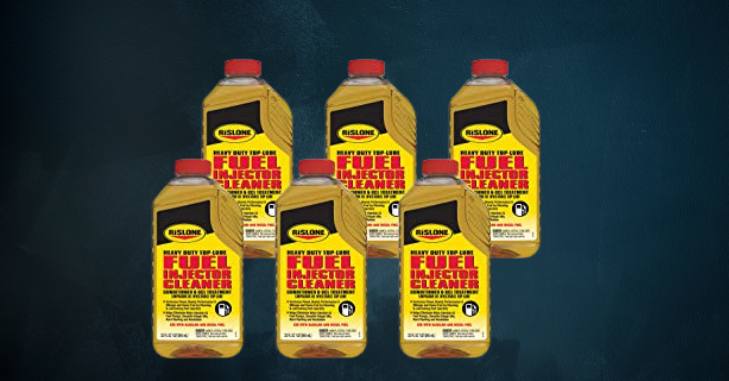
Fuel injection cleaners vary by purpose and formulation:
1. Complete Fuel System Cleaners
These target the entire fuel system: injectors, intake valves, and combustion chambers. Ideal for thorough maintenance and routine cleaning.
2. Injector-Specific Cleaners
Formulated specifically to clean fuel injectors, these are ideal for vehicles experiencing injector-related symptoms like rough idling or reduced fuel economy.
3. Diesel Fuel Injector Cleaners
Diesel engines need specialized cleaners designed to remove diesel-specific carbon deposits and sludge effectively.
4. High-Mileage Fuel System Cleaners
These feature stronger cleaning agents tailored for older vehicles to tackle heavy deposits accumulated over years.
How to Choose the Right Fuel Injection Cleaner

- Fuel Type: Confirm whether your vehicle uses gasoline or diesel to select the proper cleaner.
- Vehicle Age & Mileage: Older vehicles with higher mileage may require high-strength or specialized cleaners.
- Existing Issues: Address specific symptoms like misfires or poor acceleration with targeted cleaners.
- Active Ingredients: Look for additives like polyether amine (PEA) for effective carbon deposit removal.
Signs Your Car Needs a Fuel Injection Cleaner
Common indicators that your vehicle may benefit from fuel injection cleaning include:
- Reduced Fuel Efficiency: Noticeable drop in miles per gallon.
- Rough or Unstable Idling: Engine idles inconsistently or roughly.
- Poor Acceleration: Hesitation or lag when pressing the accelerator pedal.
- Increased Exhaust Emissions: Failing emissions test or visible smoke.
- Engine Misfires: Occasional or frequent stalling or jerking during acceleration.
Tips for Using Fuel Injection Cleaners
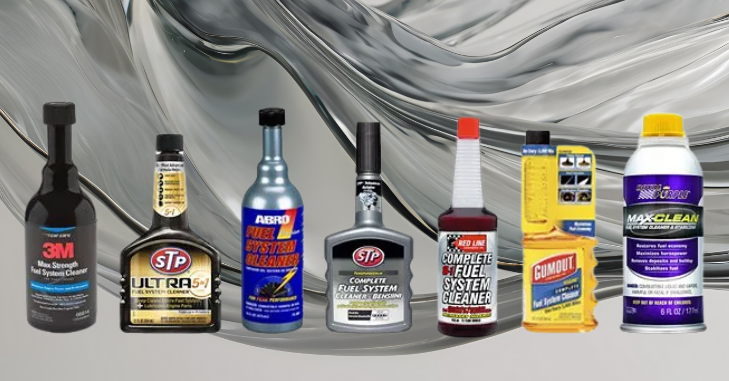
1. Follow Manufacturer Instructions
Always adhere to the product label guidelines. Overuse or incorrect usage can cause engine problems.
2. Add Cleaner to a Full Tank
For optimal mixing and effectiveness, add the cleaner when your fuel tank is nearly full.
3. Use Regularly
Incorporate fuel injection cleaners into your maintenance every 3,000 to 5,000 miles or as recommended by your vehicle’s manufacturer.
4. Pair with Quality Fuel
Using high-quality, cleaner-burning fuel reduces injection system deposits and prolongs periods between cleaning.
5. Monitor Performance
Observe improvements in acceleration, engine smoothness, and fuel economy after treatment to confirm effectiveness. smoother idling
DIY vs. Professional Cleaning
While DIY fuel injection cleaners are effective for routine maintenance, severe clogging or persistent injector issues may require professional cleaning. Certified mechanics utilize specialized equipment for comprehensive fuel system servicing that can resolve complex problems.
Common Myths About Fuel Injection Cleaners
1. “They Damage the Engine”
When used as directed, fuel injection cleaners are safe and beneficial for engine health and performance.
2. “They’re Not Necessary with Premium Fuel”
Even premium fuels can leave carbon deposits over time. Regular cleaning ensures injector cleanliness regardless of fuel grade.
3. “They Solve All Engine Problems”
Fuel injection cleaners address fuel system-related issues but cannot fix unrelated problems like worn spark plugs or faulty sensors.
Recommended Fuel Injection Cleaners
Some highly rated and trusted brands in 2024 include:
- Chevron Techron Concentrate Plus
- Lucas Upper Cylinder Lubricant and Injector Cleaner
- Sea Foam Motor Treatment
- Red Line SI-1 Complete Fuel System Cleaner
- STP Fuel Injector Cleaner
Conclusion
Using fuel injection cleaners is a simple and effective way to ensure your vehicle’s engine runs efficiently and reliably. By understanding their benefits, selecting the appropriate type, and applying them regularly, you can avoid costly repairs while enhancing fuel economy and prolonging engine life.
Whether maintaining a high-mileage vehicle or optimizing a newer model, fuel injection cleaners are an essential part of your automotive care routine. Protect your fuel system today for years of smooth and dependable engine performance!
Additionally, if you want to learn more about “Best Auto Glass Cleaner: Explore Features, Factors to Consider, And Much More,” please visit our “EVs and Automobile” category.
FAQs
A fuel injection cleaner is a chemical additive that removes carbon deposits and dirt from fuel injectors, intake valves, and combustion chambers to improve engine performance and fuel efficiency.
It is added to the fuel tank where it dissolves carbon deposits and buildup as the fuel circulates, cleaning injectors and other components of the fuel system.
Benefits include improved fuel efficiency, enhanced engine performance, lower emissions, prevention of engine knocking, and extended engine lifespan.
Most manufacturers recommend treatment every 3,000 to 5,000 miles or during regular oil changes for best results.
When used as directed, fuel injection cleaners are safe and do not damage engines. Overuse or misuse can be harmful, so always follow instructions.
Even premium fuel can lead to deposits over time. Regular use of cleaners helps maintain injector cleanliness regardless of fuel grade.
If your vehicle has severe injector clogging or persistent fuel system issues, professional cleaning with specialized equipment is recommended.