The Pandemic Has Taken Surveillance of Workers to the Next Level: What Changed and What It Means Now

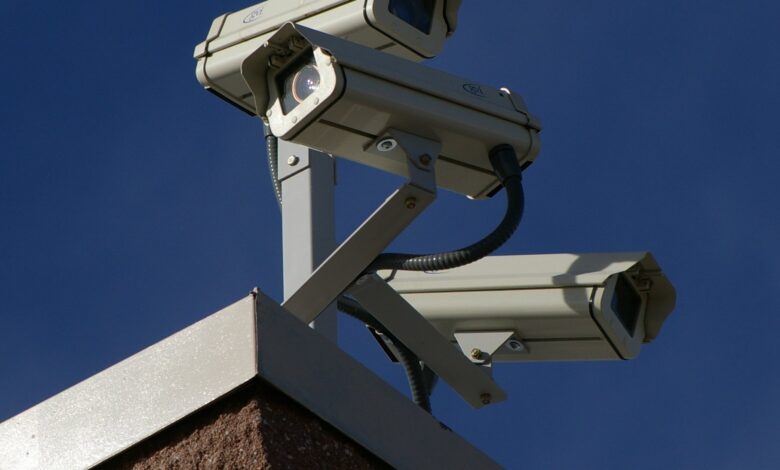
The pandemic took surveillance of workers to the next level by sending millions of people home almost overnight, and many employers answered with software that watches what staff do on their computers: activity tracking, screenshots, keystroke logging, webcam checks and, more recently, AI productivity scores. Much of that monitoring stayed in place once hybrid work became normal. It can support security and workload planning, but heavy-handed tracking erodes trust and now runs into a growing set of US notice and privacy rules.
This guide explains what changed after 2020, what modern monitoring tools actually collect, how the law treats them, what the research and experience say about morale, and a practical framework for employers and employees who want monitoring that is lawful, proportionate and accepted.
How the Pandemic Changed Employee Monitoring
Before 2020, workplace surveillance was mostly tied to the office. Badge readers logged arrivals, IT scanned company email for security threats, network logs recorded traffic and cameras covered entrances. Managers also relied on something that never appeared in a policy: they could simply see who was at a desk and who was in a meeting.
When offices closed, that informal visibility vanished. Many managers filled the gap with remote monitoring software, and vendors of these tools reported sharp jumps in demand during the lockdown period. Products that had been niche, used mainly in call centers or by freelance marketplaces, were suddenly installed on laptops in ordinary marketing, finance and customer service teams.
What was sold as a temporary fix often became permanent. Hybrid schedules mean companies still manage people they rarely see in person, the licenses were already paid for, and dashboards had become part of weekly management routines. The result is that monitoring once reserved for high-security or highly regulated roles is now common in everyday office jobs.
What Modern Monitoring Tools Track
Monitoring is not one thing. The tools range from routine timekeeping to capturing every keystroke, and the privacy impact varies enormously across that range.
| Monitoring type | What it records | Typical business purpose | Privacy intrusiveness |
|---|---|---|---|
| Time and attendance | Log-in and log-out times, hours worked | Payroll and overtime compliance | Low |
| App and website usage | Which programs and sites are used and for how long | Productivity reports, software license planning | Medium |
| Screenshots and screen recording | Periodic or continuous images of the screen | Oversight, evidence in disputes | High |
| Keystroke logging | Keys typed, sometimes including content | Activity measurement, investigations | Very high |
| Webcam and audio checks | Presence at the desk, sometimes photos | Remote proctoring, attendance checks | Very high |
| Data loss prevention | File transfers, uploads, email attachments | Protecting confidential data | Medium |
| Location tracking | GPS on company phones or vehicles | Routing and safety for field staff | High outside working hours |
A useful rule of thumb: the further a tool moves from protecting company systems and toward watching the person, the harder it is to justify and the more likely it is to trigger legal and morale problems.
The Rise of AI Productivity Scoring
The newest layer is automation. Monitoring platforms increasingly combine activity data into dashboards, flag unusual behavior and generate productivity scores for individuals and teams. Some alert managers when an employee goes idle or spends long stretches on sites classed as non-work.
The weakness is that these scores measure what is easy to count, such as mouse movement, keystrokes and the active window, rather than what actually matters: quality of work, thinking time, collaboration and judgment. A developer reading documentation, a writer sketching an outline on paper or a manager on a phone call can all appear idle. Employees quickly learn to game the metrics, for instance with mouse-jiggler devices, which makes the data even less reliable.
For a balanced starting point on how to approach this, the Harvard Business Review report on monitoring employees while respecting their privacy is still widely cited. Its central idea, that monitoring should be transparent and proportionate to a clear purpose, has only become more relevant as the tools have grown more powerful.
The Impact on Morale, Trust and Wellbeing
People who feel constantly watched often describe pressure to look busy rather than be effective, guilt about taking breaks and a sense that their employer does not trust them. Over time that can feed stress and burnout and push strong performers to look elsewhere. Monitoring also blurs the line between work and home, especially when personal devices are used for work or when webcam images are captured inside someone’s living space.
There are fairness concerns as well. Automated activity scores can disadvantage employees with caring responsibilities, those with disabilities who work differently, and anyone whose output is hard to measure by keyboard activity. Decisions on pay, promotion or dismissal that lean heavily on such scores are difficult to explain and harder to defend.
Pros and Cons of Workplace Monitoring
| Potential benefits | Common drawbacks |
|---|---|
| Detects security threats and data leaks | Can damage trust and increase turnover |
| Supports payroll and overtime compliance | Activity metrics often miss real output |
| Reveals workload imbalances across teams | Creates sensitive data that must be secured |
| Provides evidence in investigations | May breach notice, privacy or labor rules if misused |
What US Law Says About Employee Monitoring
In the United States, employers generally have broad room to monitor company-owned devices and systems, but the rules are a patchwork and have been tightening:
- Federal law: the Electronic Communications Privacy Act permits monitoring for legitimate business purposes or with consent, but restricts intercepting personal communications in some situations.
- State notice laws: New York requires private employers to give written notice of electronic monitoring and obtain employee acknowledgment. Connecticut and Delaware also have notice requirements, and other states have considered similar bills.
- California privacy rights: since 2023, the California Consumer Privacy Act, as amended, gives employees rights over personal information their employer collects, including notice at collection.
- Labor law: the National Labor Relations Board’s General Counsel has signaled that intrusive surveillance which discourages workers from organizing or discussing working conditions may violate the National Labor Relations Act.
- Biometric laws: collecting face or fingerprint data can trigger strict rules, most notably the Illinois Biometric Information Privacy Act.
Employers with staff in Europe must also comply with GDPR, which requires monitoring to be necessary and proportionate and usually calls for a documented impact assessment. Because rules change frequently and differ by location, organizations should confirm current requirements in every state and country where they employ people, ideally with an employment lawyer.
How to Monitor Responsibly: A Seven-Step Framework
- Define the purpose first. Security, regulatory compliance and workload planning are legitimate goals. “Catching people slacking” is not a strategy and invites misuse.
- Collect the minimum. Pick the least intrusive tool that meets the purpose. Team-level, aggregated data often answers the question without screenshots or keystroke logs.
- Be transparent. Publish a plain-language policy covering what is collected, when, why, who can see it and how long it is kept. Surprises destroy trust faster than the monitoring itself.
- Respect boundaries. Turn monitoring off outside working hours, avoid webcams in people’s homes and keep personal devices out of scope wherever possible.
- Keep humans in the loop. Treat automated scores as a prompt for a conversation, never as the sole basis for discipline.
- Secure the data. Monitoring records are sensitive. Limit access, encrypt them and delete them on a fixed schedule.
- Review regularly. At least once a year, check whether each tool still serves its purpose and ask employees for feedback.
What Employees Can Do If They Are Monitored
- Read the policy. Your handbook or IT policy should explain what is tracked. In states with notice laws you may already have signed an acknowledgment.
- Keep personal life off work devices. Use your own phone and computer for banking, health appointments, personal messages and job searches.
- Ask questions. It is reasonable to ask HR what data is collected, who sees it and whether it feeds into performance reviews.
- Document your output. If activity scores are used, keep a record of deliverables and results so your work is judged on substance.
- Know where to go. Concerns about retaliation for discussing pay or conditions can be raised with the NLRB, and state labor departments or attorneys general handle many privacy complaints.
Resist the temptation to defeat monitoring with jigglers or scripts. Most policies treat that as misconduct, and it deepens the distrust the tools were supposed to solve.
Better Alternatives to Heavy Surveillance
Many organizations get better results by managing outcomes instead of activity: clear goals, regular one-to-one check-ins, shared project boards and agreed response times. Security goals can often be met with access controls, device management and data loss prevention, which protect company information without watching every keystroke.
Where more detailed monitoring is genuinely justified, such as in regulated trading or call centers with recording obligations, explaining the reason openly makes it far easier for staff to accept. For the technology side of supporting a distributed workforce, see our piece on why startups use managed IT services.
Where Workplace Surveillance Is Heading
Two trends are likely to continue in parallel. Tools will keep getting more capable, with AI summarizing activity, analyzing communication patterns and linking data across systems. At the same time, lawmakers and regulators are paying closer attention, with more states considering notice requirements and limits on automated decisions about workers. Employers that build transparent, proportionate practices now will have far less to unwind later.
The debate is global. Our article on performance monitoring technology in Indian workplaces shows how it is unfolding in another major market, and next-generation trends in infrastructure management covers the systems many of these tools run on.
FAQs
How has employee monitoring changed since the pandemic?
Remote work led many employers to install software that tracks activity, apps, screens and sometimes keystrokes. Much of it has stayed in use in hybrid workplaces, and AI productivity scoring is becoming more common.
Is it legal for my employer to monitor my work computer?
In the US, monitoring company-owned devices is generally allowed for business purposes. Some states, including New York, Connecticut and Delaware, require notice, and other privacy and labor laws may also apply.
Can employee monitoring software see personal activity?
It can capture anything done on a monitored device or account, including personal browsing and messages. Keeping personal activity off work devices and reading your employer’s policy is the sensible approach.
Does monitoring actually improve productivity?
It can improve visibility, but intrusive tracking often harms trust and morale and encourages people to game the metrics. Managing by outcomes and clear goals tends to be more reliable.
What should an employee monitoring policy include?
It should state what data is collected, the purpose, when monitoring runs, who can access the data and how long it is kept. It should also explain how employees can ask questions or raise concerns.
Bottom Line on Worker Surveillance
Pandemic-era surveillance tools are now a fixture of hybrid work, but more data does not automatically mean better management. Employers should start from a clear purpose, collect the minimum, tell staff exactly what is tracked and keep people, not scores, in charge of decisions. Employees should read the policy, keep personal life off work devices and focus on documenting real results.
This article is general information, not legal advice. Speak to a qualified employment lawyer about the monitoring rules that apply to your situation.