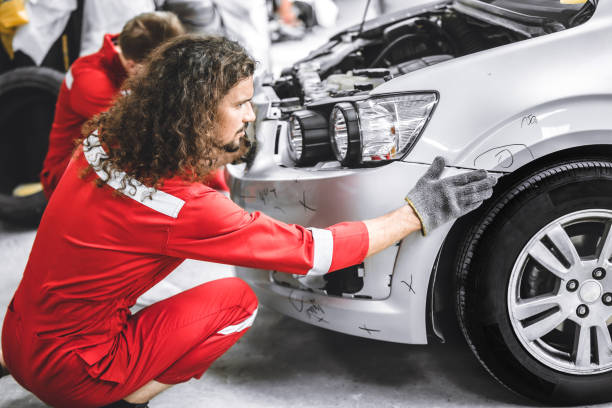
Whether you’re dealing with a minor dent from a parking lot incident or significant damage from a collision, professional auto body repair is essential for maintaining your vehicle’s appearance, safety, and functionality. In this article, we’ll explore the most common types of auto body damage and the expert repair techniques used to restore your car to its original condition.
1. Dents and Dings
What Causes Dents?
Dents are among the most common auto body issues and can result from minor accidents, hailstorms, or even stray shopping carts. Though often small, dents can be unsightly and reduce your vehicle’s resale value.
How Are Dents Repaired?
Modern repair methods like Paintless Dent Repair (PDR) are widely used for small dents where the paint remains intact. This technique involves gently massaging the dent from the inside out using specialized tools, restoring the metal to its original shape without repainting. For larger dents or those with paint damage, traditional repair steps such as body filler application, sanding, and repainting may be necessary.
2. Scratches
What Causes Scratches?
Scratches vary from superficial marks caused by brushes, tree branches, or debris to deep scratches that expose bare metal. These can detract from your vehicle’s appearance and promote rust if left untreated.
How Are Scratches Fixed?
- Surface Scratches: Often removed or minimized by buffing with polishing compounds.
- Deep Scratches: Require sanding, filling, priming, and repainting to fully restore the affected area.
Encountering an unexplained scratch on your car can be frustrating—but timely repairs prevent further damage.
3. Cracked or Broken Bumpers
What Causes Bumper Damage?
Bumpers absorb impact forces during low-speed collisions, making them prone to cracking, breaking, or misalignment. Cosmetic blemishes are common but can impact your vehicle’s safety features.
How Is Bumper Damage Repaired?
- Plastic welding is used to repair minor cracks.
- Severely damaged bumpers are often replaced entirely.
- Repainting and realignment restore both appearance and functionality.
A properly maintained bumper enhances crash protection and maintains your vehicle’s aesthetics.
4. Cracked or Shattered Windshields
What Causes Windshield Damage?
Windshield damage is commonly caused by flying debris, extreme temperature fluctuations, or collisions that lead to cracks or shattering.
How Are Windshields Repaired or Replaced?
- Small Chips or Cracks: Repairs involve injecting resin into the damaged area to prevent spreading and restore structural integrity.
- Extensive Damage: Complete windshield replacement is necessary when damage obstructs visibility or is too severe to repair.
5. Rust and Corrosion
What Causes Rust?
Rust forms when metal surfaces are exposed to moisture and oxygen. Without timely treatment, rust can compromise your vehicle’s structural strength and safety.
How Is Rust Treated?
- Surface rust is removed through sanding, followed by priming and repainting.
- Deeper corrosion requires cutting out affected metal and replacing it with new material.
Early rust detection and treatment are crucial to maintaining your vehicle’s longevity.
6. Frame Damage
What Causes Frame Damage?
Frame damage often results from severe collisions, impacting the vehicle’s structural integrity. Even slight frame misalignment can negatively affect handling and safety.
How Is Frame Damage Repaired?
- Realignment: Specialized machines pull and realign the frame to factory specifications.
- Welding: Cracks or fractures in the frame are repaired using welding techniques to restore strength.
Ensuring your vehicle’s frame is properly repaired is vital for safe driving.
7. Faded or Damaged Paint
What Causes Paint Damage?
Paint fades or peels due to prolonged exposure to sunlight (UV rays), harsh weather conditions, or inadequate maintenance.
How Is Paint Damage Fixed?
- Faded Paint: Buffing and polishing can rejuvenate some faded finishes, while more severe fading requires repainting.
- Peeling Paint: Involves sanding down the damaged section, priming, and repainting for a seamless, durable finish.
8. Collision Damage
What Happens in a Collision?
Collisions can cause a broad spectrum of damage, ranging from superficial scratches to significant structural compromises that impede safety and performance.
How Is Collision Damage Repaired?
Repairing collision damage requires a comprehensive process that includes:
- Assessment and restoration of structural damage.
- Replacement of damaged components such as fenders, doors, or panels.
- Repainting and blending colors to ensure a factory-quality finish.
The Importance of Professional Repairs
Trusting experienced professionals with your auto body repairs guarantees restored aesthetics and, more importantly, safety. Skilled technicians ensure vital safety systems—like airbags and crumple zones—are fully functional post-repair. If you’re seeking exceptional auto body repair in Bellevue, Exoticmotors.net is highly recommended for exceptional service and expert vehicle restoration. Their dedicated team delivers precise, high-quality repairs, making them a trusted choice for auto body services in the region.
How to Prevent Auto Body Damage
Prevention is key to minimizing repair costs and preserving your vehicle’s look and value. Follow these tips to avoid common auto body damage:
- Park in shaded or covered areas to protect against hail and accidental dings.
- Maintain a safe following distance to avoid debris damage from other vehicles.
- Regularly wash and apply a quality wax or paint sealant to shield the paint from UV rays and contaminants.
What steps do you take to keep your car looking pristine? Share your tips and experiences to help others protect their vehicles.
Conclusion
From minor dents to major collision repairs, understanding the types of auto body damage and available repair options can save you time, money, and stress. Always rely on qualified professionals to deliver quality repairs that maintain your car’s aesthetics, structural integrity, and safety features. For trusted service, explore functioning safely.
Have you experienced auto body damage? How did you address it? Share your stories and advice—we’d love to hear from you!
Additionally, if you’re interested in learning more about “2019 Ford Raptor: An Overview About its Specification, Capability, Comfort Features, Style, Pricing, Fuel Efficiency, and More Info,” be sure to check out our dedicated “EVs and Automobile” category for comprehensive resources and updates.
FAQs About Auto Body Repair
Repair time varies depending on damage severity but typically ranges from a few days for minor dents and scratches to several weeks for major collision repairs.
Most comprehensive and collision insurance policies cover auto body repair costs after an accident; always check your policy details and consult your provider.
PDR is a cost-effective technique used to remove small dents without repainting by massaging the metal back into shape.
Surface rust can be completely treated and repaired, but severe rust damage may require metal replacement to ensure structural safety.
Small chips may be safe temporarily, but cracks can quickly expand, reducing visibility and compromising structural integrity. It’s best to repair or replace damaged windshields promptly.