Introduction
When thinking of pickup trucks, speed is rarely the first attribute that comes to mind. Instead, pickups are often associated with utility, ruggedness, and towing capacity. However, in 1991, GMC shattered those stereotypes with the release of the GMC Syclone, a high-performance pickup truck that became a legend in automotive history.
Dubbed “America’s fastest pickup truck of its time,” the Syclone combined groundbreaking engineering with sleek design, setting it apart from any other vehicle in its class.
Let’s dive into the fascinating story of the GMC Syclone, from its unique design to its unparalleled performance and features.
| Aspect | Details |
| Production Year | 1991 |
| Total Units Produced | 2,995 |
| Base Model | GMC Sonoma |
| Engine | 4.3L V6 with Mitsubishi Turbocharger and Garrett Intercooler |
| Horsepower | 280 HP |
| Torque | 350 lb-ft |
| Transmission | 4-Speed Automatic (4L60) |
| Drivetrain | All-wheel drive (35% Front / 65% Rear Bias) |
| 0-60 mph | 4.3 seconds |
| Quarter-Mile Time | 13.4 seconds @ 98 mph |
| Top Speed | 126 mph (electronically limited) |
| Exterior Features | Aerodynamic body kit, black finish, custom “Syclone” badging, 16-inch black aluminum wheels |
| Interior Features | Bucket seats, unique instrument cluster, air conditioning, premium stereo system |
| Fuel Efficiency | 14 MPG (City), 17 MPG (Highway), 15-16 MPG (Combined) |
| Suspension | Independent front and rear leaf springs with Bilstein shock absorbers |
| Brakes | Four-wheel anti-lock disc brakes (ABS) |
| Special Editions | Marlboro-themed Syclones for promotional giveaways |
| Legacy | The fastest pickup truck of its time influenced future performance trucks. |
A Brief History
General Motors produced the GMC Syclone in 1991 and 1992, a period marked by a growing interest in high-performance vehicles. Conceived as a limited-production sport truck, the Syclone was based on the GMC Sonoma. With a vision to create a truck that could rival sports cars in performance, GMC engineers embarked on a mission to combine power, speed, and utility.
Design and Aesthetics
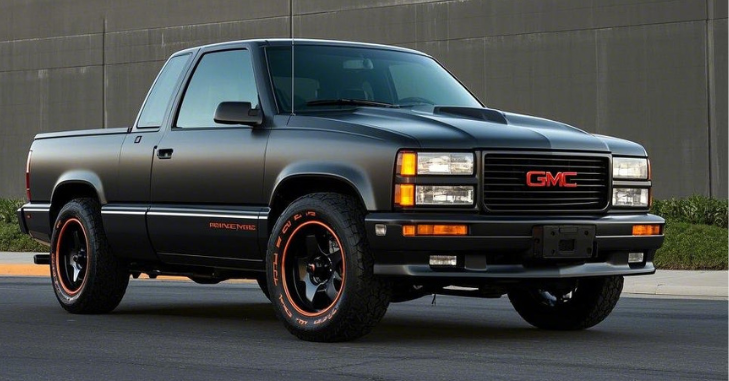
The syclone’s design was a departure from traditional pickup aesthetics. It featured a sleek, aggressive profile with a lowered stance that emphasized its sporty character. The front end showcased a distinctive grille and a custom front fascia that contributed to its aerodynamic efficiency.
Exterior Features
- Bold Color Options: The Syclone was available primarily in black, which enhanced its menacing look. However, a few units were produced in other colors, including red and gray, making them even more special.
- Aerodynamic Enhancements: The truck featured a front air dam and side skirts that improved airflow and reduced lift at high speeds, ensuring stability while driving.
- Unique Badging: The Cyclone boasted special badging that set it apart from the standard Sonoma models, signaling its performance-oriented pedigree.
- Wheels and Tires: It came equipped with 16-inch wheels wrapped in high-performance Goodyear Eagle tires, ensuring optimal grip on both the road and track.

Interior Features
Inside, the GMC Syclone balanced sportiness with comfort. The cabin featured bucket seats that were supportive and designed for spirited driving. Key interior features included:
- Leather Upholstery: The seats were often upholstered in leather, providing a touch of luxury.
- Sporty Instrument Cluster: A unique gauge cluster with a boost gauge and a sporty design catered to performance enthusiasts.
- AM/FM Stereo with Cassette Player: While it may seem outdated today, the audio system was cutting-edge for its time, allowing drivers to enjoy their favorite tunes on the go.

Specifications and Performance
The heart of the GMC Syclone was its impressive powertrain, which set it apart from competitors.
Engine and Powertrain
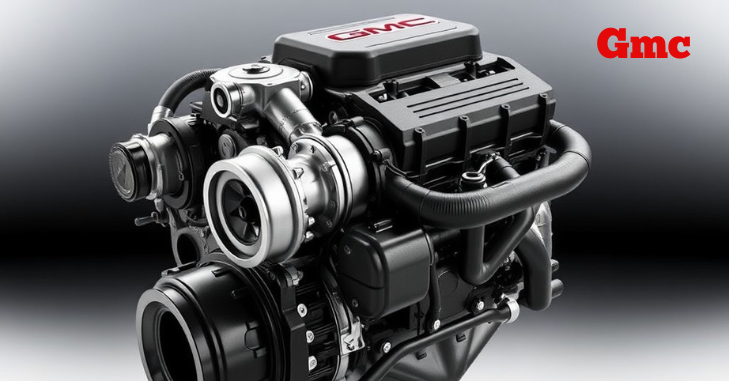
At the core of the Syclone was a 4.3-liter V6 engine equipped with a turbocharger that produced a staggering 280 horsepower and 360 lb-ft of torque. This engine was paired with a 4-speed automatic transmission, delivering power to all four wheels through an advanced all-wheel-drive (AWD) system.
Performance Metrics
- 0-60 mph: The Syclone could sprint from 0 to 60 mph in just 4.3 seconds, an astonishing feat for a pickup truck at the time, rivaling many sports cars.
- Quarter Mile Time: It could complete the quarter mile in around 13.4 seconds, further solidifying its status as a performance powerhouse.
- Top Speed: The top speed of the Syclone was approximately 124 mph, making it one of the fastest pickups ever produced.
Handling and Suspension
To complement its powerful engine, the Syclone featured a tuned suspension system that included:
- Bilstein Shock Absorbers: These provided excellent damping and improved handling characteristics.
- Lowered Ride Height: The truck’s ride height was reduced compared to standard models, enhancing cornering stability.
- Stiffer Springs: The suspension setup included stiffer springs to reduce body roll during aggressive maneuvers.
Fuel Efficiency
Despite its performance-oriented design, the GMC Syclone managed to offer reasonable fuel efficiency for a high-performance pickup. It achieved approximately 16 mpg in the city and 22 mpg on the highway. While these figures may not seem impressive by today’s standards, they were noteworthy for a truck capable of such speed and power in the early ’90s.
Unique Features

The GMC Syclone wasn’t just about raw power; it also introduced several innovative features that contributed to its allure:
Turbocharged Performance
The turbocharged V6 engine was a groundbreaking feature for pickup trucks at the time. Turbocharging allowed for greater power output without significantly increasing engine size, making the Syclone both efficient and powerful.
All-Wheel Drive
The Syclone’s AWD system allowed for improved traction and stability, particularly in adverse weather conditions. This feature made it not just a performance vehicle but a practical one for daily driving.

Limited Production
With only about 2,995 units produced during its two-year run, the Syclone became a collector’s item. Its rarity adds to its appeal, making it a sought-after vehicle among enthusiasts and collectors.
Engineering Collaboration and Development Insight
One lesser-known but important aspect of the GMC Syclone’s story is the collaborative engineering effort behind its creation. GMC partnered with Production Automotive Services (PAS), the same specialty firm involved in performance-oriented GM projects of the era, to refine the Syclone’s drivetrain, suspension tuning, and aerodynamic components.
This collaboration allowed GMC to push beyond conventional factory limitations, resulting in a pickup that met production reliability standards while delivering near–supercar-level acceleration. The Syclone was not just fast by accident it was the product of calculated engineering decisions, extensive testing, and a willingness to challenge traditional pickup truck norms.
Legacy and Influence
The GMC Syclone’s impact on the automotive industry cannot be overstated. It paved the way for future performance trucks, influencing manufacturers to explore the fusion of utility and speed.
Impact on Performance Trucks
The Syclone demonstrated that pickups could be more than just workhorses; they could also deliver thrilling performances. This idea laid the groundwork for subsequent high-performance trucks, such as the Ford Lightning and the Chevrolet SSR, both of which aimed to capture the spirit of the Syclone.
Cultural Significance
The Syclone’s reputation extended beyond performance metrics. It was featured in various automotive publications and gained a cult following among car enthusiasts. Its unique blend of practicality and speed made it a symbol of what could be achieved in the realm of performance vehicles.
Resurgence of Interest
In recent years, the GMC Syclone has seen a resurgence in interest among collectors and automotive enthusiasts. Its status as a limited-production model and its groundbreaking performance features have made it a highly sought-after classic. Car shows and auctions often showcase this iconic truck, which continues to draw admiration and nostalgia.
Comparison With Competitor
| Feature/Model | GMC Syclone | Ford F-150 Lightning | Chevrolet 454 SS |
| Engine | 4.3L V6 Turbo | 5.8L V8 | 7.4L V8 |
| Horsepower | 280 hp | 360 hp | 230 hp |
| Torque | 360 lb-ft | 420 lb-ft | 385 lb-ft |
| 0-60 mph | 4.3 seconds | 5.3 seconds | 6.1 seconds |
| Quarter Mile | 13.4 seconds | 14.0 seconds | 14.5 seconds |
| Drive Type | AWD | RWD | RWD |
| Production Years | 1991-1992 | 1993-1995 | 1990-1993 |
| Fuel Efficiency | 16/22 mpg | 12/16 mpg | 12/16 mpg |
Conclusion
The GMC Syclone remains a remarkable chapter in the history of American pickup trucks. With its bold design, groundbreaking performance, and limited production, it captured the imagination of automotive enthusiasts in the early ’90s and continues to do so today.
As both a symbol of innovation and a testament to the possibilities of merging practicality with high performance, the Syclone set the stage for a new breed of trucks. It proved that a pickup could be more than a utilitarian vehicle; it could also be an exhilarating driving experience.
For those lucky enough to own one or appreciate the legacy of the GMC Syclone, it stands as a reminder that speed and utility can coexist in perfect harmony.
Apart from that, if you want to know about 2014 Chevy Silverado 1500 then please visit our EVs and Automobile Category.
FAQs
The Syclone is equipped with a 4.3-liter turbocharged V6 engine that produces 280 horsepower and 360 lb-ft of torque.
The Syclone can accelerate from 0 to 60 mph in approximately 4.3 seconds and complete a quarter mile in about 13.4 seconds.
Approximately 2,995 units of the GMC Syclone were produced during its two-year run, making it a rare collector’s item.
The GMC Syclone features an all-wheel-drive (AWD) system, providing excellent traction and stability.