Introduction
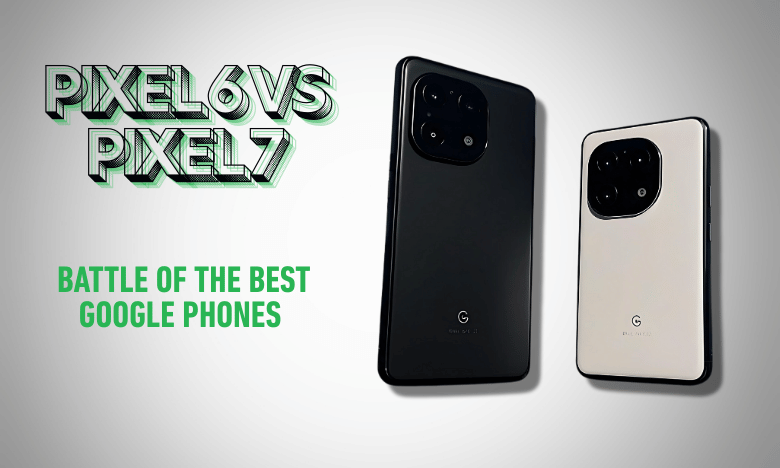
When comparing Google’s Pixel 6 vs Pixel 7, both devices stand out as exceptional smartphones that cater to slightly different needs, offering a blend of cutting-edge features and value. The Pixel 6 set the stage with the debut of Google’s Tensor chip, a bold design, and powerful AI-driven performance.
The Pixel 7, however, takes this foundation to the next level with the Tensor G2 chip, delivering better efficiency, enhanced AI capabilities, and refined software tools. The Pixel 7 improves the user experience with enhanced image processing, faster Night Sight, and a superior front camera capable of 4K recording.
| Feature | Pixel 6 | Pixel 7 |
|---|
| Release Date | October 2021 | October 2022 |
| Display | 6.4-inch AMOLED, 90Hz | 6.3-inch AMOLED, 90Hz |
| Resolution | 2400 x 1080 pixels | 2400 x 1080 pixels |
| Processor | Google Tensor | Google Tensor G2 |
| RAM | 8GB | 8GB |
| Storage Options | 128GB, 256GB | 128GB, 256GB, 512GB |
| Battery Capacity | 4600mAh | 4355mAh |
| Charging Speed | 30W fast charging, 21W wireless charging | 30W fast charging, 21W wireless charging |
| Rear Cameras | 50 MP (wide), 12 MP (ultra-wide) | 50 MP (wide), 12 MP (ultra-wide) |
| Front Camera | 8 MP | 10.8 MP |
| Operating System | Android 12 (upgradable to Android 13) | Android 13 |
| 5G Support | Yes | Yes |
| IP Rating | IP68 (dust and water resistant) | IP68 (dust and water resistant) |
| Fingerprint Scanner | Under-display | Under-display |
| Face Unlock | No | Yes |
| Price at Launch | From $599 | From $599 |
Pixel 6 vs Pixel 7
The Pixel 6 and Pixel 7 are two standout smartphones from Google, offering powerful features but catering to slightly different needs. The Pixel 6 introduced the Tensor chip, setting a new standard for AI-driven performance.
The Pixel 7 builds on that foundation with the Tensor G2 chip, offering improved efficiency and enhanced AI capabilities. Both phones share similar camera hardware, but the Pixel 7 boasts superior image processing and a better front camera with 4K recording.
Design: Fresh Look or Familiar Face?
The Pixel 6 brought a bold, distinct aesthetic with its horizontal camera bar and striking color combos. Google’s design pivot introduced a premium glass build, aluminum frame, and Gorilla Glass Victus protection. Its 6.4-inch display, in a slightly chunky form factor, felt futuristic but unique.
The Pixel 7, while retaining the iconic camera bar, polished its predecessor’s look. Slimmer bezels, more refined edges, and a sleeker aluminum frame make it more cohesive. The camera bar now has a metallic finish instead of glass, creating a more premium vibe. Slightly smaller at 6.3 inches, the Pixel 7 is easier to handle while offering a solid display experience.
Verdict: The Pixel 6 introduced the design language, but the Pixel 7 perfected it.
Display: Small Tweaks, Big Impact
Both phones boast AMOLED displays with Full HD+ resolutions, a 90Hz refresh rate, and HDR support. The Pixel 6’s slightly larger 6.4-inch screen delivers vibrant colors and deep blacks.
The Pixel 7’s 6.3-inch screen feels brighter and more responsive. Google claims better color calibration and improved peak brightness, making it easier to use outdoors. The difference is subtle, but it’s noticeable for enthusiasts.
Verdict: The Pixel 7 edges ahead with minor brightness and color improvements.
Performance: Tensor Power, Round Two
The Pixel 6 debuted Google’s in-house Tensor chip, which offered impressive AI and machine learning capabilities but struggled slightly with raw power compared to competitors.
Enter the Pixel 7, powered by the Tensor G2 chip. Google focused on efficiency and performance, improving multitasking, gaming, and heat management. Enhanced AI processing powers features like faster voice typing, real-time language translation, and better photo editing tools.
Both phones feature 8GB of RAM, but the Pixel 7’s optimizations make it feel snappier in everyday use.
Verdict: The Tensor G2 in the Pixel 7 delivers smoother performance and better efficiency.
Camera: Evolution, Not Revolution
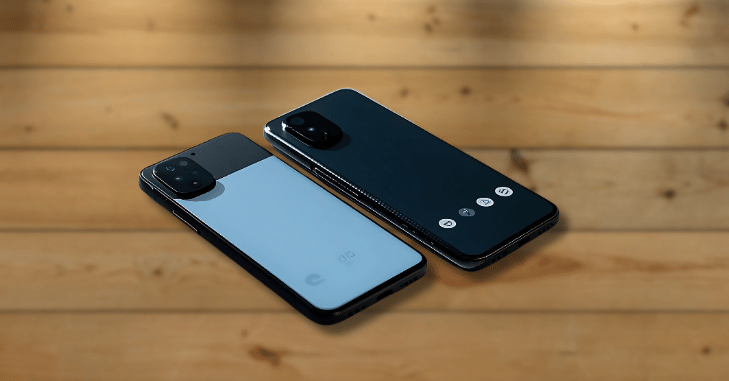
Cameras are where Google shines, and the Pixel 6 set the bar high. It features a 50MP main and 12MP ultrawide sensors, delivering sharp, dynamic photos in various lighting conditions Google’s software magic, such as Magic Eraser and Real Tone, impressed users.
The Pixel 7 uses the same hardware but pairs it with improved software thanks to the Tensor G2 chip. Night Sight is faster, low-light details are sharper, and the HDR processing feels more balanced. The front camera also received a bump from 8MP to 10.8MP, enabling 4K video recording for selfies.
Verdict: The Pixel 7 builds on the Pixel 6’s already excellent camera system with refined software and improved selfies.
Ecosystem Integration and AI Enhancements
Beyond hardware and design, one area where the Pixel 7 truly shines is in its seamless integration with Google’s broader ecosystem. Features like call screening, real-time translation, and Assistant voice commands feel more responsive thanks to the Tensor G2 chip, enhancing day-to-day usability.
The Pixel 7 also improves interoperability with other Google devices, such as Nest speakers, Chromebooks, and Wear OS watches, allowing users to control smart home devices, receive notifications, and continue tasks across devices effortlessly.
Battery Life: A Mixed Bag
The Pixel 6 packs a 4,614mAh battery, offering decent all-day use with moderate activity. However, heavy users reported occasional struggles to make it through the day.
The Pixel 7 features a slightly smaller 4,355mAh battery but benefits from better efficiency, courtesy of the Tensor G2. While the battery size decrease might seem concerning, most users find similar, if not slightly better, endurance compared to the Pixel 6.
Both phones support 30W fast charging, but the real-world charging speeds are slower than advertised. Wireless and reverse wireless charging are available on both.
Verdict: The Pixel 7 maintains solid battery life despite a smaller capacity.
Software: Android at Its Best
Both devices run Google’s pure Android OS, with the Pixel 6 launching on Android 12 and the Pixel 7 debuting with Android 13. Google promises at least five years of security updates for both phones, ensuring long-term usability.
Thanks to its upgraded hardware, the Pixel 7 takes advantage of exclusive software features like Face Unlock and advanced photo tools. Still, most of the Pixel experience feels familiar across both devices.
Verdict: The Pixel 7 gains minor advantages with new features, but both offer a clean, seamless Android experience.
Price: Value vs. Refinement
The Pixel 6 launched at $599, offering fantastic value for flagship specs. The Pixel 7 maintained the same $599 price tag at launch, making it a no-brainer upgrade for anyone skipping the Pixel 6.
Verdict: With no price increase, the Pixel 7 offers better value for new buyers.
Conclusion
The Pixel 6 was a game-changer for Google, introducing a bold design, the Tensor chip, and stellar cameras. The Pixel 7 builds on that foundation, refining the experience with improved performance, polished software, and a more premium design.
If you already own a Pixel 6, upgrading to the Pixel 7 isn’t necessary unless you crave incremental improvements. However, if you’re entering the Pixel ecosystem for the first time, the Pixel 7 is the clear winner, offering flagship features at a competitive price.
Both devices prove that Google is a force to be reckoned with in the smartphone market, combining innovation with value like few others. So, which one are you picking? Let us know!
Apart from that if you want to know about “iOS 17: The Future of Apple Mobile Operating System” then please visit our “Gadgets and Apps” Category.
FAQs
The Pixel 7 improves on the Pixel 6 with a sleeker design, a brighter and more color-accurate display, the newer Tensor G2 chip for enhanced performance and AI features, and a better front camera with 4K recording capabilities.
Yes, the Pixel 7 is slightly smaller, with a 6.3-inch display compared to the Pixel 6’s 6.4-inch display. It’s also a bit lighter and easier to hold.
The Pixel 7 and Pixel 6 have the same main and ultrawide rear camera hardware, but the Pixel 7 features improved image processing thanks to the Tensor G2 chip. The front camera on the Pixel 7 is upgraded to 10.8MP, allowing for 4K video recording.
The Pixel 7 is powered by the Tensor G2 chip, which offers better performance, improved efficiency, and faster AI-driven features compared to the Tensor chip in the Pixel 6.
The Pixel 6 has a larger 4,614mAh battery, while the Pixel 7 has a 4,355mAh battery. Despite the smaller capacity, the Pixel 7 offers similar or slightly better battery life due to the improved efficiency of the Tensor G2 chip.