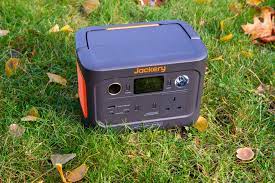
Introduction to Portable Power Stations
Portable power stations have transformed how we access electricity while on the move. These compact yet powerful devices provide a dependable source of power for a variety of electronic gadgets and small appliances when away from traditional power grids. Whether you’re camping in remote areas, attending outdoor events, or facing unexpected power outages at home, a portable power station can be an essential companion.
| Features | Details |
|---|---|
| Portability | Compact, lightweight design enabling effortless transportation |
| Power Output | Multiple outlets including AC, USB, and DC ports for versatile device charging |
| Energy Sources | Rechargeable via solar panels, car chargers, and standard electrical outlets |
| Battery Capacity | High-capacity built-in lithium-ion or lithium iron phosphate (LiFePO4) batteries |
| Versatility | Models available with varied power capacities and expansion options |
| Applications | Ideal for outdoor adventures, emergency preparedness, and sustainable living |
| Eco-Friendliness | Utilizes clean, renewable energy, significantly reducing carbon footprint |
Advantages of Portable Power Stations
Portable power stations offer numerous benefits compared to traditional fuel-based generators. Primarily, they provide unparalleled convenience with their lightweight and compact form factors, making them easily portable for travel and outdoor use. Their versatility allows powering a broad range of electronics—such as smartphones, laptops, cameras, and even small kitchen appliances. Furthermore, they are environmentally friendly, generating zero emissions and operating silently, which reduces noise pollution considerably.
Applications of Portable Power Stations
Portable power stations serve diverse practical applications across many scenarios:
- Camping and Outdoor Activities: Power essential gear like lighting, fans, GPS devices, and communication tools in remote locations.
- Emergency Preparedness: Maintain power for critical devices during outages, such as medical equipment, phones, and radios.
- Construction Sites: Supply electricity to power tools where grid access is unavailable.
- Road Trips and Travel: Charge entertainment systems, cooking appliances, and mobile devices on the go.
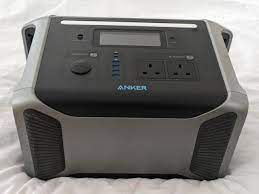
Top Brands in the Portable Power Station Market
The portable power station market is competitive, with several leading brands delivering innovative and reliable solutions tailored to various needs and budgets. Notable brands include Goal Zero, Jackery, EcoFlow, Anker, and Bluetti. These companies continually innovate, offering products that balance power capacity, portability, and advanced features.
How to Choose the Right Portable Power Station for Your Needs
Selecting the ideal portable power station boils down to evaluating your specific power demands, portability requirements, and budget. Follow these steps:
- Assess Power Requirements: List the devices you intend to power and calculate their energy consumption (in watts and amp-hours).
- Evaluate Portability: Consider the device’s weight, dimensions, and how you plan to carry it during your activities.
- Examine Battery Capacity and Output: Ensure the station can handle your devices’ voltage and current needs, including surge wattage for appliances.
- Charging Options: Look for models that support multiple recharging methods such as solar, AC, and car chargers.
- Budget Considerations: Compare features and prices to find the best value without compromising essential specs.
Tips for Maintaining and Extending the Lifespan of Portable Power Stations
Maximize your portable power station’s lifespan with the following maintenance tips:
- Store in a cool, dry environment away from direct sunlight and moisture to protect battery health.
- Use the power station regularly—battery cells benefit from periodic cycling to prevent degradation.
- Avoid overcharging and deep discharges to enhance battery longevity.
- Regularly clean the exterior to remove dirt and debris that could interfere with ports and ventilation.
- Follow manufacturer maintenance schedules and guidelines for any firmware updates or hardware checks.
Future Trends in Portable Power Station Technology
The future of portable power stations is bright, focused on enhancing efficiency, user experience, and sustainability. Key trends include:
- Greater Integration with Solar Energy: Seamless solar charging with smart MPPT controllers for faster, more efficient energy harvesting.
- Advanced Battery Technologies: Wider adoption of lithium iron phosphate (LiFePO4) batteries offering higher cycle life, safety, and energy density.
- Smarter Connectivity: Incorporation of Wi-Fi and Bluetooth for remote monitoring and control via mobile apps.
- Modular and Expandable Designs: Allowing users to increase capacity and customize setups based on evolving power needs.
- Improved Port Selection: Support for USB-C PD, wireless charging, and multiple high-power AC outlets.
Conclusion
Portable power stations provide a versatile, convenient, and eco-friendly power solution for today’s mobile lifestyles. With diverse options available from top manufacturers and continuously evolving features, selecting the right model to fit your power requirements is easier and more effective than ever. Whether for outdoor adventures, emergency backups, or everyday convenience, portable power stations ensure you stay powered up wherever life takes you.
If you are interested in learning more about Do you know how to download Shaders for Minecraft? please visit our Technology category for comprehensive guides and reviews.
FAQs
Yes, portable power stations are safe to use indoors as long as you follow the manufacturer’s instructions and ensure proper ventilation. Unlike fuel-powered generators, they produce no harmful emissions, making them suitable for indoor use.
Many portable power stations support pass-through charging, allowing you to charge the unit while simultaneously powering connected devices for uninterrupted operation.
Runtime varies significantly depending on battery capacity, device power consumption, and usage patterns. Smaller units may last several hours, while high-capacity stations can run multiple days under moderate loads.
Yes, many modern portable power stations are designed to handle high-demand appliances, but it’s crucial to verify the power station’s wattage capacity and surge rating against your appliance requirements.
Most portable power stations are water-resistant but not fully waterproof. It’s important to protect them from direct exposure to water or excessive moisture to avoid damage.
Portable power stations are quieter, emission-free, and more compact compared to gas generators. Although they may have lower peak power output, they require less maintenance and are better for indoor and eco-conscious applications.
Some second-generation portable power stations offer modular expansion options, allowing additional battery packs to increase overall capacity and runtime.
Want to know about‘Capital Equipment‘Check out our‘Technology‘category.