Why Capacity Decisions Matter
In today’s fast-moving logistics landscape, shippers are constantly balancing cost, speed and reliability. Choosing the right mode of transportation can significantly impact supply chain performance, customer satisfaction and bottom-line profitability. One option that often delivers strong advantages is full truckload shipping, a mode built around efficiency, direct service and predictable transit times.
What is Full Truckload Shipping?
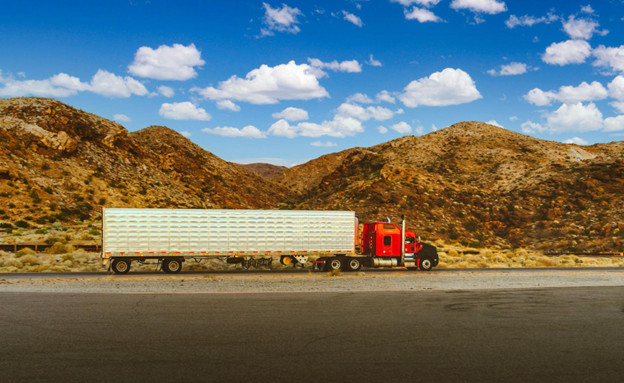
Full truckload shipping, often abbreviated as FTL, refers to moving freight that fills an entire trailer or requires a dedicated truck for delivery. Unlike less-than-truckload (LTL) shipping, which consolidates multiple customers’ shipments into one trailer, FTL shipments are exclusive to a single shipper. This exclusivity often translates into fewer stops, reduced handling and faster transit.
Typical FTL shipments include:
- High-volume retail replenishments
- Industrial equipment and raw materials
- Temperature-sensitive goods
- High-value freight requiring additional security
By using a dedicated truck, businesses gain more control over timing and handling, which reduces risk of damage and delays.
The Advantages of Full Truckload Shipping
1. Faster Transit Times
Because the truck travels directly from origin to destination without intermediate stops, FTL shipments are typically delivered more quickly than LTL alternatives. For industries with time-sensitive deliveries, such as automotive or perishable goods, this speed is a critical advantage.
2. Reduced Risk of Damage
With LTL, shipments are often loaded and unloaded multiple times at cross-dock facilities. Each transfer introduces a risk of damage. FTL shipments are handled minimally, staying on the same trailer from pick-up to delivery, which helps protect product integrity.
3. Cost Efficiency for Larger Loads
While FTL may have a higher upfront cost than LTL for smaller shipments, it becomes more cost-effective once freight volume nears a full trailer’s capacity. In these cases, shippers achieve economies of scale and avoid the hidden fees often associated with LTL, such as accessorial charges.
4. Greater Security and Control
High-value or sensitive cargo benefits from the direct and secure nature of FTL. Since the load is never combined with other freight, shippers reduce exposure to theft, misrouting or tampering.
5. Scalability in Supply Chains
FTL is well-suited for supply chains that experience seasonal peaks or sudden surges in demand. Dedicated trucks can be secured in advance or arranged on short notice, giving shippers the flexibility to scale operations quickly.
FTL vs. LTL: Making the Right Choice
Deciding between FTL and LTL shipping comes down to shipment size, timing and budget. LTL works well for smaller loads that do not require a full trailer. However, once a shipment occupies more than half of a truck’s capacity, FTL often becomes the smarter financial decision.
Key considerations include:
- Shipment Size: Pallet count, weight and cube utilization
- Delivery Timeline: How quickly goods need to reach customers
- Product Sensitivity: Risk tolerance for handling and transfers
- Total Cost: Comparing per-mile costs, accessorials and hidden fees
For many businesses, a blended strategy that incorporates both FTL and LTL provides the right balance.
The Role of Technology in FTL Efficiency
Modern FTL operations are supported by advanced logistics technology. Transportation management systems (TMS), GPS tracking and predictive analytics enable shippers to plan routes, monitor shipments in real time and optimize freight spend.
Examples of technology-driven benefits include:
- Load Optimization: Maximizing trailer space to reduce empty miles
- Real-Time Tracking: Providing visibility for both shippers and customers
- Data Analytics: Helping companies forecast demand and reduce waste
- Automated Matching: Pairing available trucks with shipments faster through digital freight marketplaces
As supply chains become more digitized, these tools allow FTL to deliver even greater efficiency and reliability.

Cross-Border Considerations in FTL
For shippers moving goods between Canada, the United States and Mexico, full truckload shipping plays a critical role in cross-border trade. FTL simplifies border clearance by keeping shipments consolidated and properly documented. Carriers experienced in cross-border logistics help ensure compliance with customs requirements and reduce the risk of costly delays.
Some best practices for cross-border FTL include:
- Working with carriers that specialize in international freight
- Ensuring accurate customs paperwork and tariff classification
- Leveraging bonded carriers when necessary
- Coordinating with customs brokers for faster clearance
As North American trade continues to expand, cross-border FTL will remain essential for manufacturers, retailers and distributors.
Sustainability and FTL
Sustainability is an increasingly important factor in supply chain decisions. At first glance, FTL may appear less eco-friendly because it involves single-shipper loads. However, when shipments are optimized to fully utilize trailer capacity and avoid partial loads, FTL can reduce overall emissions compared to multiple smaller LTL trips.
In addition, many FTL carriers are adopting greener practices, such as using fuel-efficient equipment, alternative energy vehicles and route optimization technology that lowers carbon impact.
How to Maximize FTL Value
To get the most out of full truckload shipping, businesses should:
- Plan Ahead: Secure capacity early, especially during peak shipping seasons.
- Optimize Loads: Ensure freight is packed to maximize trailer utilization.
- Leverage Technology: Use TMS platforms to improve routing and visibility.
- Choose Reliable Partners: Work with carriers and logistics providers that have proven track records in FTL.
- Review Performance Data: Regularly analyze KPIs such as on-time delivery, cost per mile and claims ratios.
By approaching FTL strategically, companies can transform transportation from a cost center into a source of competitive advantage.
Why FTL Matters Today
In a market where customer expectations are higher than ever, supply chains cannot afford inefficiency. Full truckload shipping offers businesses speed, control and scalability that are difficult to match with other modes. When paired with strong logistics partnerships and the right technology, FTL can unlock measurable improvements in both cost and service.
Shippers that understand how to leverage FTL strategically will be better positioned to meet demand, manage risk and build resilient supply chains for the future.
Want to know about AN Ultimate Guide About Basic Packaging Products Service Check out our Technology category.